Work
Many disciplines. One practice.
Browse multidisciplinary work by its primary discipline, then see the project type and overlapping capabilities that made each outcome possible.
Primary discipline
Software & AI
Applied AI, software systems, automations, and developer-facing tools.
View projects →Primary discipline
Security
Application security, analysis, internal tooling, and operational clarity.
View projects →Primary discipline
Creative Technology
Technology-led experiences, creative systems, and production tooling.
View projects →Primary discipline
Film & Media
Film, documentary, commercial, animation, and visual storytelling.
View projects →Web Application
Software & AI
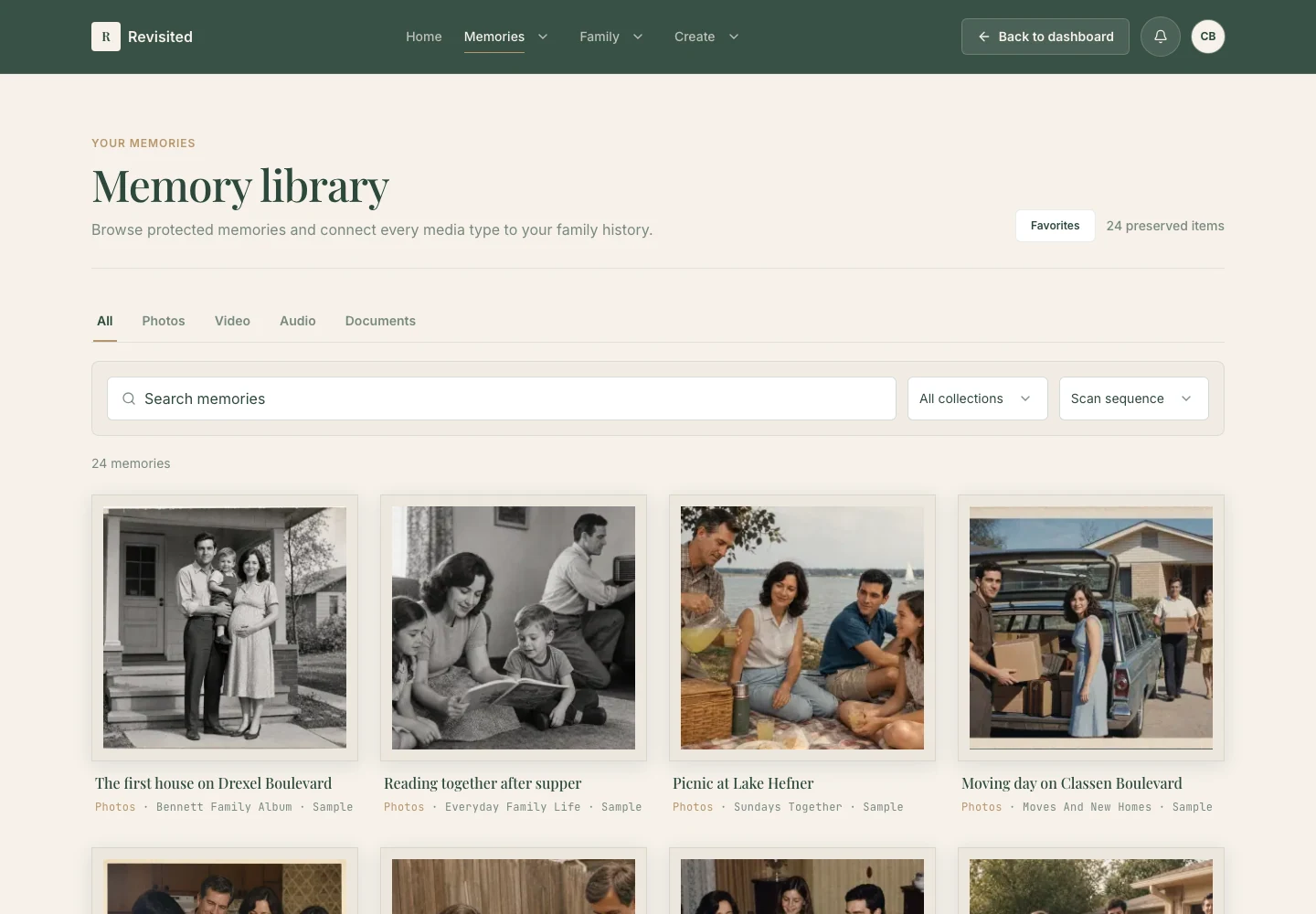
Revisited - Family Media Preservation and Archive Platform
Revisited combines physical-media preservation, studio operations, verified digital storage, and a private family Archive in one system. Jay shaped the product strategy, experience, visual direction, security model, and technical architecture across customer, family, studio, and administrative workflows.
7 eligible physical-media formats
Planned launch formats
Photos, video, audio, and documents
Digital Archive media types
60 days after the first Family Media Box completes quality review
Included Archive access
Internal Tool
Security
Application Security Dashboard
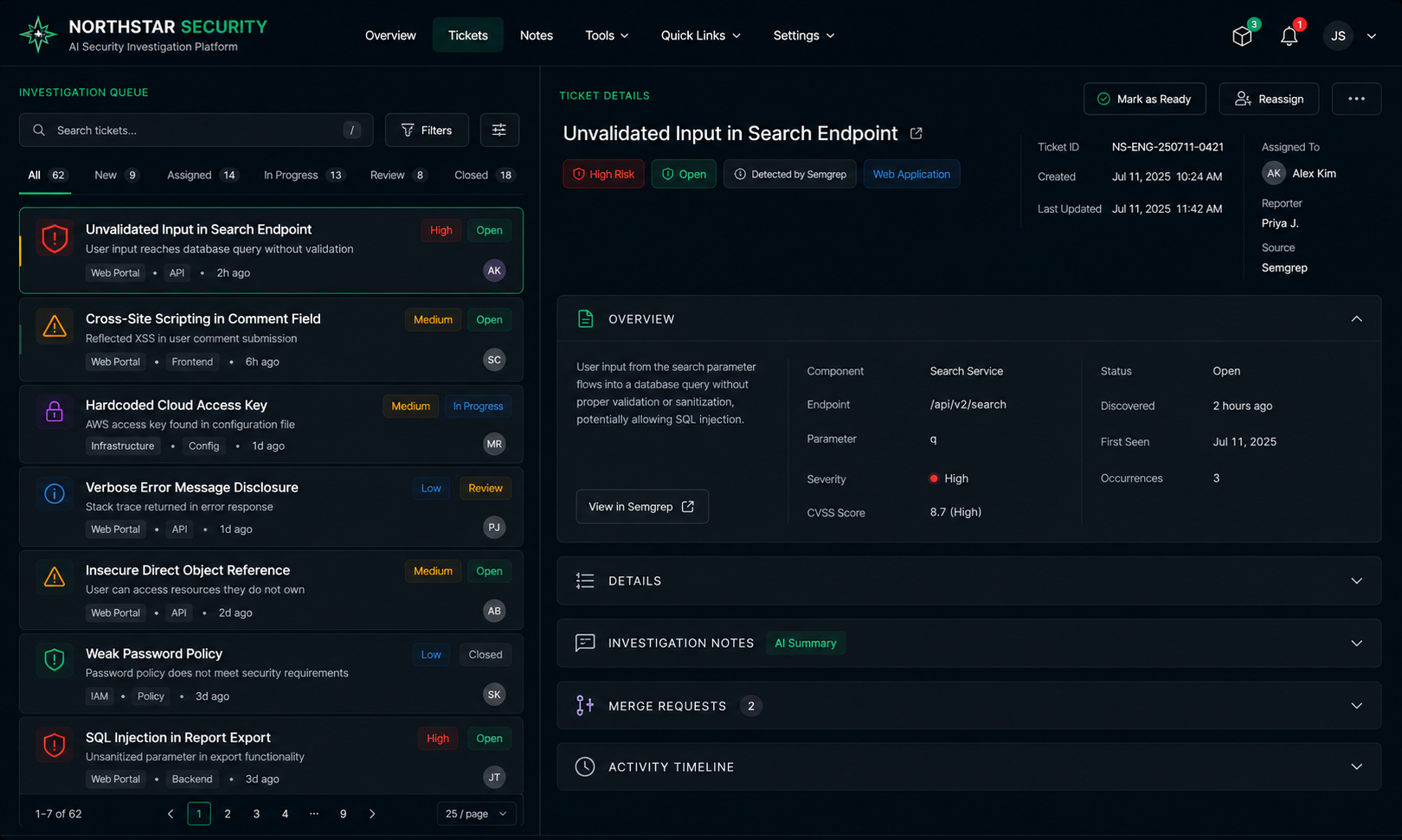
Northstar Security is an internal application security platform created to consolidate the tools and workflows used throughout the software security review process. Instead of moving between separate applications for ticket management, static analysis, merge request reviews, dependency investigations, and threat analysis, security engineers can complete investigations within a consistent interface designed around evidence-driven decision making. As the sole designer and developer, I was responsible for the product vision, user experience, interface design, and implementation of the platform. The portfolio recreates the application's interface using fictional branding to protect confidential information while accurately representing the workflows, architecture, and design decisions behind the original system.
4
Signal areas
7
Core views
AI Agent System
Software & AI
Agentic Application Prototyping System
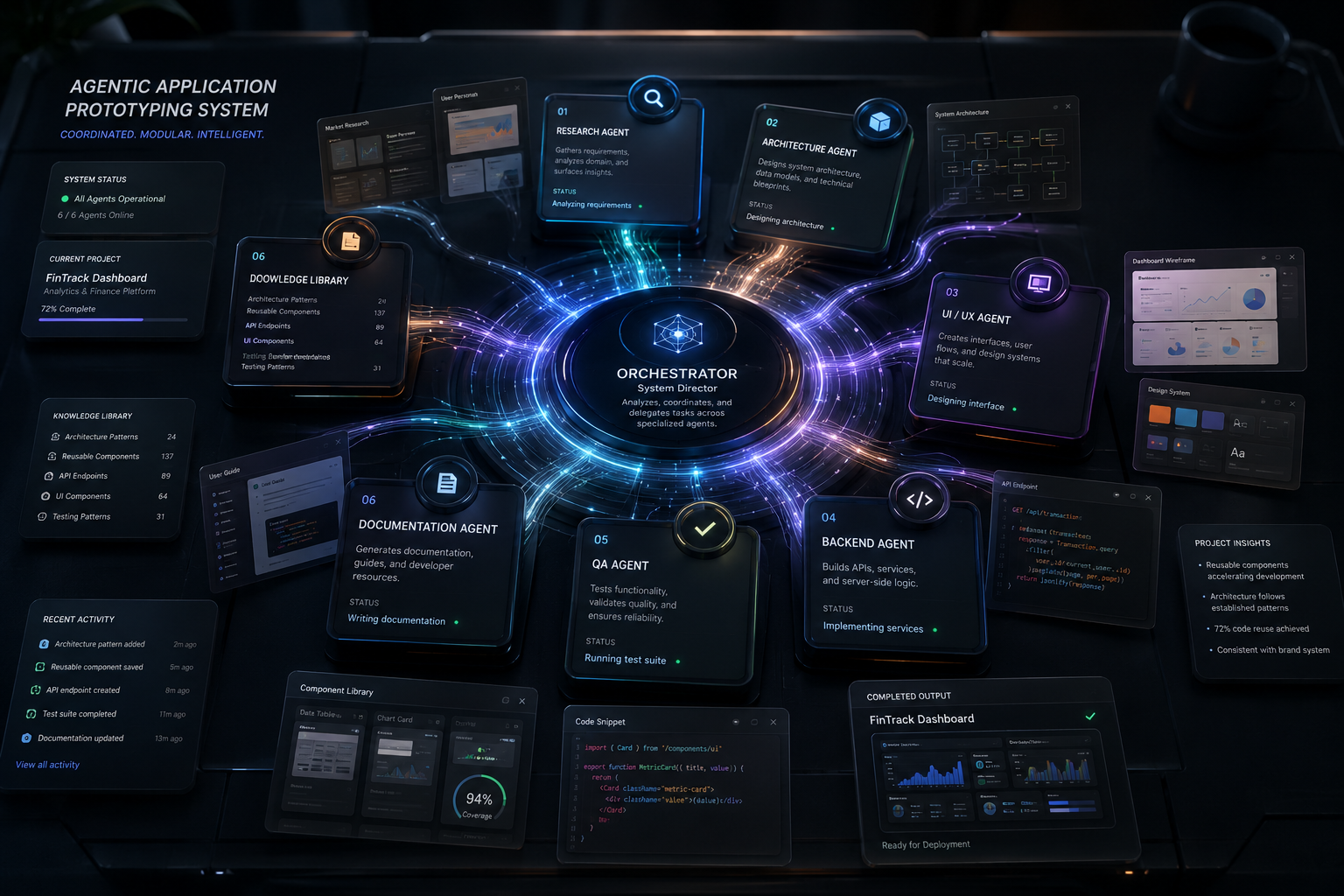
The Agentic Application Prototyping System began as an experiment in improving software development through coordinated AI workflows rather than isolated prompts. Instead of treating every application as a new starting point, the system captures architectural decisions, reusable functionality, and implementation patterns that can be applied across future work. I designed the orchestration layer, defined the responsibilities of specialized agents, and created a workflow focused on consistency, reuse, and rapid prototyping. The project serves as both a practical internal development tool and an exploration of how agentic systems can support software engineering.
1
Orchestration layers
6
Specialized agents
Reusable
Architecture library
Software Extension
Creative Technology
Premiere Pro Workflow Extension
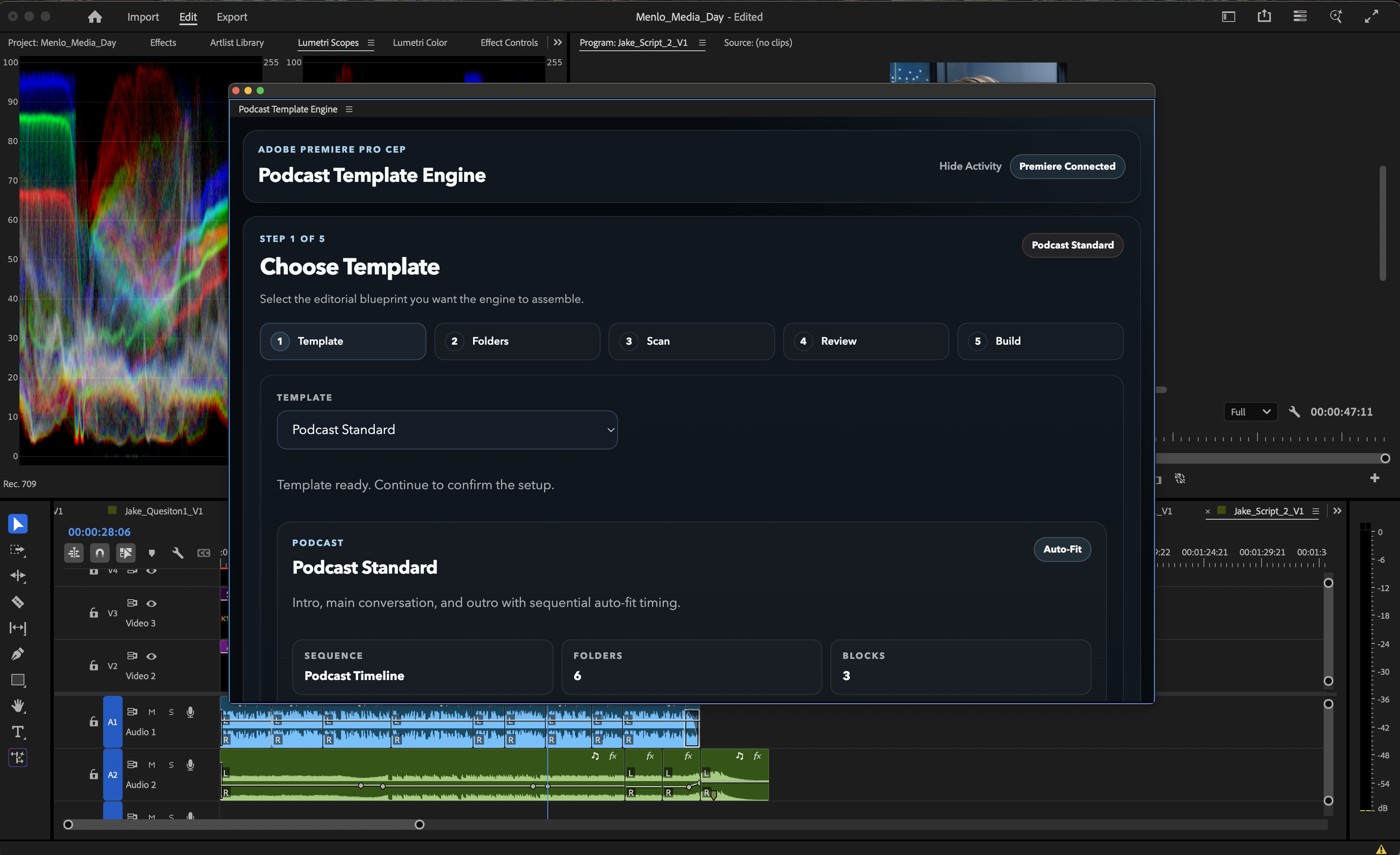
This project explores how software can improve one of the least creative parts of post-production: preparing a project before editing begins. Drawing on firsthand experience in film and video production, I designed a custom Adobe Premiere Pro extension that automates project organization, template generation, and sequence assembly while preserving flexibility for the editor. Currently in active development, the extension focuses on creating a repeatable editorial workflow that reduces manual setup and establishes a consistent starting point for new projects. The project also serves as an exploration of workflow automation within creative software, combining software engineering with practical production experience.
Multiple stages
Setup coverage
Modular templates
Architecture
Reusable
Template model